
Improve Mental Well-Being with 10 Self-Care Habits
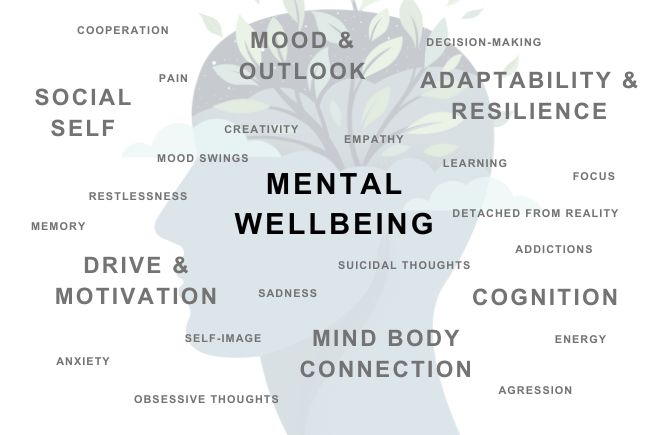
Introduction: Why Mental Well-Being Matters More Than Ever
In today’s fast-paced and digitally driven world, maintaining mental health is no longer a luxury — it’s a necessity. Between endless to-do lists, career pressures, and social expectations, our emotional balance often takes a backseat. Yet, our mental well-being affects every part of life — how we think, act, and connect with others.
To truly thrive, we must learn to improve mental well-being through consistent and mindful self-care practices. The good news? It doesn’t require expensive therapy sessions or fancy retreats. Often, it’s the little daily habits that make the biggest difference.
In this article, we’ll explore 10 powerful self-care habits that can help you improve mental well-being, reduce anxiety, and create a happier, more resilient mind.
1. Practice Mindfulness Every Day
Mindfulness is more than just a buzzword — it’s a life-changing habit. It means staying fully present in the moment without judgment. When you practice mindfulness, you train your mind to let go of regrets about the past and worries about the future.
Start small. Spend five minutes each morning observing your breath, sensations, or surroundings. Notice how your body feels and what emotions arise without reacting to them. Over time, this simple habit can improve mental well-being by reducing stress, sharpening focus, and enhancing emotional balance.
Mindfulness apps like Headspace or Calm can guide beginners through short meditations. Try practicing mindfulness while eating, walking, or even doing household chores — it can transform ordinary moments into peaceful experiences.
2. Get Enough Quality Sleep
Sleep is your mind’s natural healing tool. A good night’s rest helps your brain process emotions, regulate hormones, and recharge for the next day. Without proper sleep, your concentration drops, mood swings increase, and anxiety levels rise.
To improve mental well-being, create a healthy sleep routine. Go to bed at the same time every night, avoid screens an hour before bedtime, and keep your room dark and cool. You might also try relaxation techniques like deep breathing or listening to calming sounds.
Adults generally need 7–9 hours of sleep. If you’re constantly feeling tired or irritable, your mental health may be signaling that rest is overdue.
3. Nourish Your Body with Healthy Food
The mind and body are deeply connected. What you eat directly affects how you feel. Nutrient-rich foods — like leafy greens, whole grains, nuts, and omega-3 fats — can stabilize mood and support brain function.
When you eat right, you improve mental well-being naturally. Foods like salmon, flaxseeds, and walnuts boost serotonin production, a neurotransmitter responsible for happiness. Similarly, avoiding too much sugar and processed food helps prevent energy crashes and mood dips.
Make it a habit to cook simple, balanced meals at home. Drinking enough water also plays a role — dehydration can affect focus and emotional stability. Treat your body as your ally, and your mind will thank you.
4. Stay Physically Active
Exercise isn’t just for fitness — it’s a powerful tool to improve mental well-being. When you move your body, it releases endorphins, often called “happy hormones.” These natural chemicals help fight stress, depression, and anxiety.
You don’t have to hit the gym every day. A 30-minute walk, dance session, or yoga practice can make a huge difference. Find an activity you enjoy — consistency matters more than intensity.
Outdoor exercises are even better since sunlight exposure increases Vitamin D, known to lift mood and improve mental clarity. Remember, movement is medicine for both body and mind.
5. Build Positive Social Connections
Humans are social beings. We thrive on meaningful relationships that offer love, understanding, and emotional support. Studies show that people who nurture strong social ties tend to be happier and live longer.
To improve mental well-being, spend quality time with friends, family, or community groups. Even small interactions — like chatting with a neighbor or joining a hobby club — can reduce loneliness and boost self-worth.
If you’re introverted or live far from loved ones, connect digitally or volunteer for a cause you care about. Positive relationships remind you that you’re not alone — and that sense of belonging can transform your mental state.
6. Set Boundaries and Learn to Say No
One of the most underrated self-care habits is learning when to say “no.” Many people overcommit out of guilt, fear, or social pressure, but this leads to emotional exhaustion and burnout.
Setting boundaries means respecting your own energy and time. It’s not selfish — it’s self-preservation. When you prioritize your needs, you improve mental well-being by reducing stress and resentment.
Start small: if something doesn’t feel right or adds unnecessary pressure, politely decline. Surround yourself with people who respect your limits. Over time, this habit builds confidence and inner peace.
7. Engage in Gratitude and Positive Thinking
Gratitude is a simple yet powerful way to shift your focus from what’s missing to what’s already good in your life. Research shows that daily gratitude can increase happiness and emotional resilience.
Each morning or night, write down three things you’re thankful for — a warm meal, a kind friend, or even a sunny day. When practiced consistently, gratitude helps you improve mental well-being by rewiring your brain to notice positivity more often.
Pair gratitude with affirmations or journaling. By acknowledging your strengths and victories, you train your mind to stay hopeful, even during challenging times.
8. Disconnect from Technology Regularly
Constant exposure to screens and social media can overwhelm your mind with information, comparison, and negativity. A digital detox helps you reclaim mental clarity.
Try setting “no-screen” hours daily — especially before bedtime or during meals. Replace scrolling with activities like reading, drawing, or spending time in nature.
When you reduce screen time, you improve mental well-being by calming your nervous system and creating space for real-life experiences. Remember: your mind needs rest from digital noise to function at its best.
9. Spend Time in Nature
Nature has an incredible healing effect on the mind. Whether it’s a short walk in the park or a weekend getaway in the mountains, spending time outdoors restores inner peace and reduces mental fatigue.
Studies reveal that exposure to greenery lowers cortisol (the stress hormone) and increases feelings of joy. Even five minutes outside can boost mood and creativity.
To improve mental well-being, make nature part of your weekly routine. Garden, hike, or simply sit under a tree and breathe deeply. Nature’s simplicity often reminds us what truly matters — peace, presence, and connection.Why Adventure Travel benefits for Your Mind
10. Seek Help When You Need It
Self-care isn’t just about doing things alone — it’s also about recognizing when professional support is necessary. Talking to a therapist, counselor, or trusted friend can provide clarity and emotional relief.
There’s no shame in asking for help. In fact, it’s one of the bravest steps you can take to improve mental well-being. Mental health professionals can guide you through stress, anxiety, trauma, or burnout with personalized tools and strategies.
If therapy feels intimidating, start by joining a support group or online forum. Remember, seeking help is a sign of strength, not weakness.
How to Build a Consistent Self-Care Routine
Building new habits takes time, but consistency creates change. Start by choosing one or two habits from this list and practicing them daily. Once they become natural, add more.
Here’s a simple framework:
- Set realistic goals. Don’t overwhelm yourself; start small.
- Track your progress. Use a journal or app to note how you feel each week.
- Celebrate small wins. Every step toward better mental health matters.
- Be kind to yourself. Some days will be hard, and that’s okay.
With patience and intention, you’ll notice how these practices gradually improve mental well-being and make you more resilient in everyday life.
The Science Behind Self-Care and Mental Health
Scientific research consistently supports the link between self-care and improved mental health. Regular physical activity boosts dopamine and serotonin levels — the same chemicals targeted by antidepressant medications. Mindfulness and gratitude practices reduce amygdala activity, the brain region responsible for fear and stress responses.
Meanwhile, social interaction releases oxytocin, the “love hormone,” which enhances trust and emotional bonding. Quality sleep and balanced nutrition further support brain health, memory, and focus.
In short, each habit works like a small puzzle piece — when combined, they create a complete picture of mental well-being.
The Role of Self-Compassion
Many people neglect mental health because they feel guilty for taking time for themselves. But self-care isn’t selfish; it’s essential. Self-compassion means treating yourself with the same kindness you’d offer a friend.
Instead of criticizing yourself for mistakes, acknowledge your humanity. Everyone has bad days, and that’s perfectly fine. When you practice self-compassion, you improve mental well-being by nurturing a gentler, more supportive inner dialogue.
You can start with simple affirmations like:
- “I am doing my best.”
- “It’s okay to rest.”
- “I am enough as I am.”
- FOR MORE : https://www.crisistextline.org/blog/2024/01/08/100-positive-affirmations-for-better-self-care/
This mindset shift helps build emotional resilience and self-worth.
Incorporating Spiritual or Reflective Practices
Whether through prayer, meditation, or journaling, spiritual reflection provides a sense of grounding and peace. You don’t need to follow any specific religion — spirituality simply means connecting to something greater than yourself.
Taking 10 minutes daily to meditate or reflect on gratitude can improve mental well-being by promoting inner stillness. It helps you detach from external chaos and reconnect with your authentic self.
Try lighting a candle, writing a journal entry, or practicing deep breathing before bed. Even simple rituals can help you unwind and find balance.
How Self-Care Improves Productivity and Focus
When you take care of your mental health, you’re not just happier — you’re also more productive. A rested, focused mind performs better at work, studies, and relationships.
By learning to improve mental well-being, you enhance creativity, problem-solving, and decision-making. Your mind becomes clearer, and tasks feel less overwhelming.
Self-care isn’t time wasted; it’s an investment that pays back in motivation and success. After all, you can’t pour from an empty cup — taking care of yourself first enables you to give your best to others.
External Resource for Mental Wellness
If you’d like to explore more ways to support your mental health, visit Mind.org.uk — a trusted platform offering free resources, expert advice, and community support for improve mental well-being.
Reading credible sources like Mind can help you discover practical tools and insights tailored to your emotional needs.
Conclusion: A Happier Mind Starts with Simple Steps
Improving mental well-being doesn’t require drastic life changes — just small, intentional acts of self-care practiced consistently. Whether it’s sleeping better, exercising, expressing gratitude, or spending time in nature, each step contributes to a healthier, calmer mind.
Remember, mental wellness is a journey, not a destination. Some days you’ll feel balanced, others not — and that’s completely okay. What matters is progress, not perfection.
So today, take one step — meditate, journal, stretch, or call a loved one. These small acts can create ripples of positivity that improve mental well-being and transform your life from the inside out.