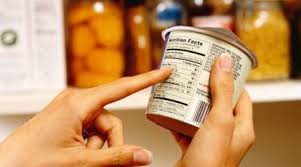
How Read Nutrition Labels Like a Pro
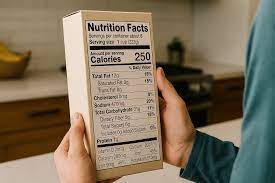
Understanding how read nutrition labels is one of the most practical skills you can develop for better health. Food packaging can be confusing, and brands often use marketing words like natural, lite, fresh, or healthy to influence your choices. However, the truth about a product lies in its nutrition label. When you read nutrition labels correctly, you gain control over your diet, weight, energy levels, and long-term wellness. BLOG
This guide explains step-by-step how read nutrition labels like a pro, using simple language and practical examples. By the end, you will confidently evaluate any packaged food and choose what actually supports your health.
Why Learning how Read Nutrition Labels Matters
Many people struggle to make healthy food decisions because they rely on advertising instead of facts. When you read nutrition labels effectively:
- You understand what you are eating.
- You avoid hidden sugars and unhealthy fats.
- You control calorie intake more easily.
- You prevent lifestyle diseases like diabetes and high blood pressure.
- You gain the ability to compare foods wisely.
Foods can appear healthy from the front label, but the real story is always on the back. Therefore, learning to read nutrition labels ensures your choices match your health goals.
What Exactly Is a Nutrition Label?
A nutrition label is a standardized chart printed on packaged foods that shows:
- Serving size
- Calories
- Carbohydrates
- Proteins
- Fats
- Vitamins and minerals
- Ingredients list
It helps you understand both nutritional value and what the food is made of. But simply seeing numbers is not enough—you need to interpret them.
Step-by-Step Guide: How Read Nutrition Labels Like a Pro
Below is a structured approach to help you read nutrition labels clearly and correctly.
1. Start With the Serving Size
This is the first thing you should check. The serving size tells you how much of the product the nutritional information refers to.
For example:
If the label says:
- Serving size: 50g
- Calories per serving: 200
And you eat 100g, you are actually consuming:
- 400 calories, not 200.
Many people overlook this and underestimate their intake. So when you read nutrition labels, always compare serving size with how much you actually eat.
2. Check the Total Calories
Calories show the energy you get from food. Too many calories without physical activity leads to weight gain.
General calorie guide:
| Goal | Calories/Day (Approx.) |
|---|---|
| Weight loss | 1200–1800 |
| Maintenance | 1800–2400 |
| Weight gain | 2500+ |
When you read nutrition labels, look at calories per serving and see whether it fits your daily needs.
3. Understand Carbohydrates
Carbohydrates provide energy, but not all carbs are equal.
On labels, carbs are broken into:
- Total Carbohydrates
- Dietary Fiber (good)
- Sugars (be careful)
- Added Sugars (avoid when high)
Fiber
High fiber means better digestion and longer satisfaction.
Aim for 3-5g or more per serving.
Sugars
If a product says 15g sugar per serving, that is about 3 teaspoons of sugar.
When you read nutrition labels, choose foods with high fiber and low added sugar.
4. Look at Protein Content
Protein supports muscles, metabolism, skin, hair, hormones, and immunity.
Good foods generally contain some protein.
When comparing items:
- Higher protein is usually better (unless medically restricted).
Aim for 0.8–1.2g protein per kg of body weight daily.
5. Examine Fats Carefully
Not all fats are unhealthy. When you read nutrition labels, focus on:
| Type of Fat | Good/Bad | Examples |
|---|---|---|
| Unsaturated Fats | Good | Olive oil, nuts, seeds |
| Saturated Fats | Limit | Butter, cheese, red meat |
| Trans Fats | Bad, avoid completely | Fried foods, processed snacks |
If you see Trans Fat or Hydrogenated Oil → Avoid the product.
6. Pay Attention to Sodium (Salt)
High sodium intake increases blood pressure.
When you read nutrition labels, choose foods with less than 300mg sodium per serving for regular consumption.
Avoid foods with:
- Over 500mg per serving (high)
- Over 1000mg per serving (very high)
Understanding the Ingredients List
The ingredients list tells what the food is truly made of.
Key Rule:
Ingredients are listed from highest quantity to lowest.
So if sugar is one of the first ingredients, the product has a lot of sugar, even if advertised as healthy.
Avoid Ingredients Such As:
- High Fructose Corn Syrup
- Hydrogenated Oils
- Artificial Colors
- Artificial Flavors
- MSG
- Preservatives (like sodium benzoate, BHT)
When you read nutrition labels, look for foods with short ingredient lists and familiar names.
How to Compare Two Products
Here’s how read nutrition labels to compare:
| Feature | Choose Option With: |
|---|---|
| Calories | Lower if losing weight |
| Fiber | Higher |
| Protein | Higher |
| Sugar | Lower |
| Trans Fat | Zero |
| Sodium | Lower |
| Ingredients | Shorter and natural |
This helps you quickly identify which product is actually healthier.
Common Misleading Marketing Words to Ignore
Food packaging often uses confusing language. When you read nutrition labels, ignore words like:
| Claim on Package | What It May Mean |
|---|---|
| “Low fat” | High sugar added for taste |
| “Diet” | Artificial sweeteners |
| “Organic” | Still can be high calorie or high sugar |
| “No added sugar” | Naturally high sugar ingredients like syrups used |
| “Protein snack” | Minimal protein, mostly carbs |
Never judge products by the front label—read nutrition labels instead.
Practical Examples
Example 1: Breakfast Cereal
| Item | Cereal A | Cereal B |
|---|---|---|
| Fiber | 2g | 6g |
| Sugar | 12g | 4g |
| Protein | 2g | 5g |
Cereal B is healthier because it has:
- More fiber
- More protein
- Less sugar
Example 2: Yogurt
Flavored yogurt may contain 15–25g sugar.
Plain yogurt usually contains only natural lactose, around 5–8g.
When you read nutrition labels, flavored foods often reveal hidden sugars.
Tips for Reading Nutrition Labels More Easily
- Always compare portion size to your actual intake
- Focus on fiber, protein, and natural ingredients
- Keep sugar and sodium low
- Avoid trans fats completely
- Prefer foods with ingredients you recognize
Over time, your ability to read nutrition labels becomes automatic.
Who Benefits from Reading Nutrition Labels?
This skill is especially helpful for:
- People wanting to lose weight
- Fitness enthusiasts
- Diabetics
- Anyone with heart or blood pressure concerns
- Parents choosing food for children
- Anyone wanting to live healthier
Helpful Resource to Learn More
If you want to explore an official and science-based guide on how read nutrition labels, you can also refer to the U.S. Food & Drug Administration’s resource. It explains how labels are structured and what each nutrient means in daily life. This external guide gives you a deeper understanding and supports your journey toward healthier eating habits.
Read here: https://www.fda.gov/food/nutrition-education-resources-materials/how-understand-and-use-nutrition-facts-label
Final Thoughts
Learning to read nutrition labels is one of the simplest yet smartest ways to take control of your health. Instead of believing marketing claims, you learn to read facts. With this skill, you choose foods that nourish your body rather than harm it. You become more aware, more mindful, and more confident in every food decision you make.
Reading labels is not about eating perfectly—it’s about making better choices, one step at a time.
Your health begins with what you place into your body.
So, the next time you shop — turn the package around and read the label.